
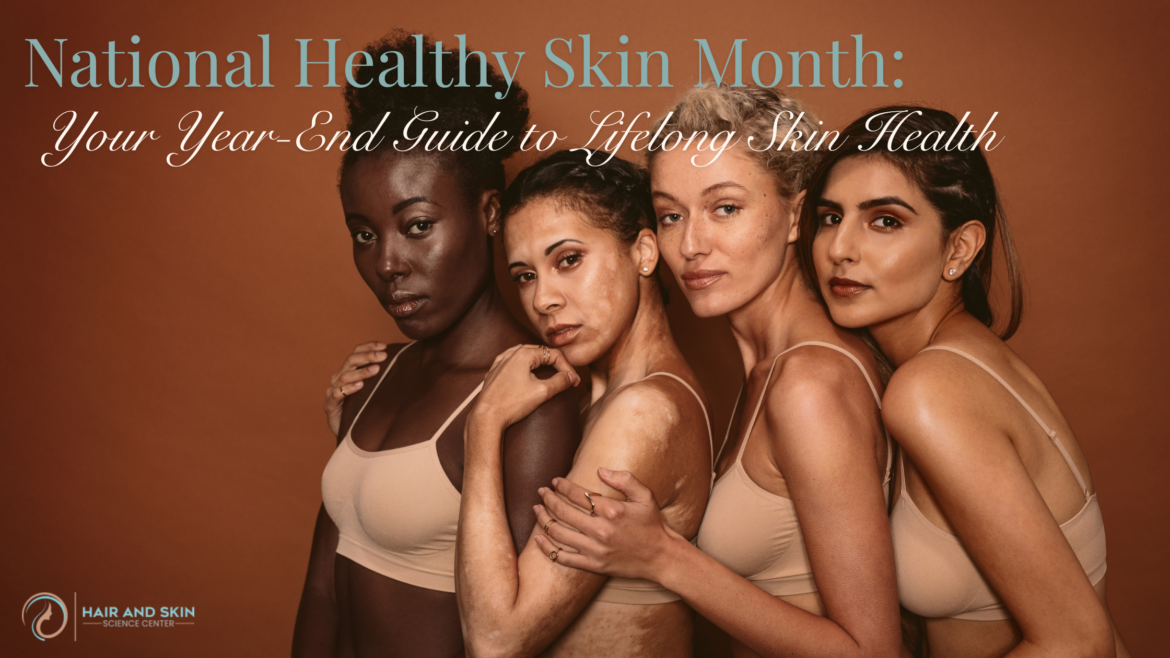
November marks National Healthy Skin Month, providing the perfect opportunity to reflect on your skin health journey throughout the year and establish habits that will serve you well into the future. As we approach the end of the year, this is an ideal time for patients and dermatologists to take stock of skin health progress, address lingering concerns, and lay the foundation for healthier skin in the year ahead. As a board-certified dermatologist, I view this annual check-in as essential; your skin tells a story about your overall health, and taking time to truly listen can make all the difference.
Why a Year-End Skin Health Review Matters
Just as we review our finances or set professional goals at year’s end, our skin deserves the same thoughtful evaluation. Throughout the year, our skin endures countless stressors: summer sun exposure, winter dryness, hormonal fluctuations, stress, and lifestyle changes all leave their mark. A comprehensive year-end review allows us to identify patterns, address accumulated damage, and create a proactive plan moving forward.
Research consistently demonstrates that proactive, preventive skin care produces significantly better outcomes than reactive treatment after problems develop¹. This is particularly true for skin cancer detection, where annual monitoring can mean the difference between early intervention and advanced disease.
The Foundation of Healthy Skin: Daily Habits That Matter
Sun Protection: A Year-Round Commitment
While we often associate sun protection with summer months, UV damage accumulates year-round. The American Academy of Dermatology (AAD) emphasizes that daily sunscreen use remains essential year-round, as up to 80% of UV rays penetrate clouds, and UVA rays maintain consistent intensity throughout the year².
As you reflect on your skin health this November, consider: Did you maintain consistent sun protection year-round? Winter months, with their deceptively mild appearance, often see decreased sunscreen compliance, yet snow can reflect up to 80% of UV radiation, and high-altitude winter activities carry significant UV exposure risk.
The Skin Barrier: Your Body’s Essential Defense
The skin barrier, primarily composed of lipids in the skin’s outermost layer, serves as a critical defense against environmental aggressors while retaining essential moisture. Research published in the Journal of Investigative Dermatology demonstrates that a compromised skin barrier contributes to increased sensitivity, inflammation, and susceptibility to various skin conditions³.
As seasons change and we transition into colder months, barrier maintenance becomes increasingly important. Key strategies include:
- Using gentle, fragrance-free cleansers
- Applying moisturizer within three minutes of bathing
- Incorporating barrier-repairing ingredients like ceramides and fatty acids
- Avoiding over-exfoliation, which can compromise barrier function
Nutrition and Hydration: Supporting Skin from Within
Your skin’s health is intrinsically connected to your overall nutritional status and hydration levels. Studies show that adequate water intake, combined with a diet rich in antioxidants, omega-3 fatty acids, and essential vitamins, supports skin barrier function and may reduce inflammatory skin conditions⁴.
Key nutrients for skin health include:
- Vitamin C: Essential for collagen synthesis and antioxidant protection
- Vitamin E: Works synergistically with vitamin C for enhanced UV protection
- Omega-3 fatty acids: Support barrier function and reduce inflammation
- Zinc: Important for wound healing and immune function
World Diabetes Day: November 14th and Skin Health
November 14th marks World Diabetes Day, an important reminder of the significant relationship between diabetes and skin health. As dermatologists, we frequently encounter skin manifestations that can serve as early indicators of diabetes or signal the need for better blood sugar management in diagnosed patients.
Understanding Diabetes-Related Skin Complications
Diabetes affects the skin through multiple mechanisms, including impaired circulation, nerve damage, and compromised immune function. The American Diabetes Association reports that up to one-third of people with diabetes will experience a skin condition related to their disease at some point⁵.
Common Diabetes-Related Skin Conditions:
Diabetic Dermopathy: Often called “shin spots,” these light brown, scaly patches typically appear on the lower legs and result from changes in small blood vessels.
Necrobiosis Lipoidica: This condition causes patches of shiny, yellowish-brown skin, often on the lower legs, resulting from changes in collagen and fat beneath the skin.
Acanthosis Nigricans: Dark, velvety patches of skin, commonly found in body folds, can indicate insulin resistance and may be an early warning sign of type 2 diabetes⁶.
Diabetic Blisters: Though rare, these spontaneous blisters can occur on the hands, feet, legs, or forearms.
Increased Infection Risk: Elevated blood sugar levels create an environment conducive to bacterial and fungal infections, making proper skin care particularly important for diabetic patients.
The Importance of Skin Monitoring for Diabetic Patients
For patients with diabetes, regular skin examinations take on heightened importance. Poor circulation and nerve damage (neuropathy) can mask injuries or infections, especially on the feet, which can lead to serious complications if left untreated. The AAD recommends that individuals with diabetes perform daily foot checks and maintain regular dermatological care⁷.
This World Diabetes Day serves as an important reminder: if you have diabetes or risk factors for the condition, discuss any unusual skin changes with both your primary care physician and dermatologist. Recognizing diabetes-related skin changes early can support better overall disease management.
The Power of Professional Skin Treatments
As we conduct our year-end skin health review, consider how professional treatments can address accumulated damage and support long-term skin health goals.
Microneedling: Comprehensive Skin Renewal
Microneedling has emerged as one of the most versatile and effective professional treatments for comprehensive skin rejuvenation. This treatment creates controlled micro-injuries that stimulate the body’s natural healing response, promoting collagen and elastin production.
Research published in the Journal of Clinical and Aesthetic Dermatology demonstrates that microneedling can significantly improve skin texture, reduce the appearance of pores, and enhance the penetration of topical treatments by up to 3,000% compared to application on unprepared skin⁸.
Benefits particularly relevant for year-end skin renewal include:
- Improved texture from accumulated sun damage and environmental stressors
- Reduced pore appearance
- Enhanced product absorption, maximizing the benefit of your skincare investment
- Stimulated collagen production for firmer, more resilient skin
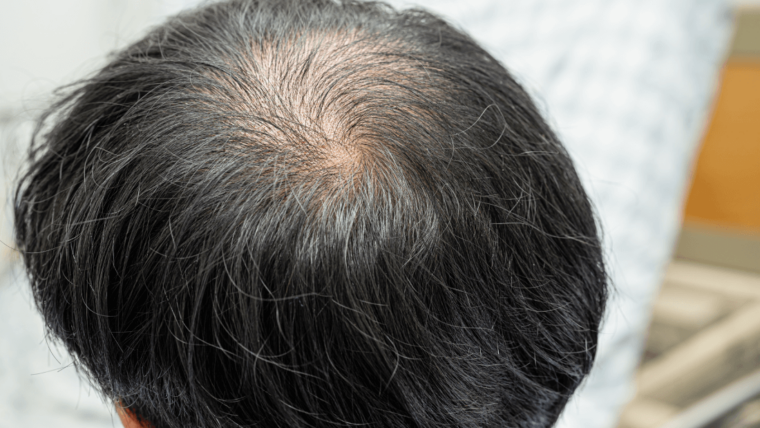
- When performed on the scalp, improved hair follicle stimulation and circulation
Creating Your Personal Skin Health Action Plan
As National Healthy Skin Month encourages us to reflect and plan, consider these steps for your personal skin health review:
- Schedule Your Annual Skin Cancer Screening: If you haven’t had a comprehensive skin examination this year, now is the time. Early detection remains our most powerful tool against skin cancer.
- Evaluate Your Current Skincare Routine: Are you using products appropriate for your skin type and current needs? Skin needs can change throughout the year and throughout life.
- Address Accumulated Damage: Consider professional treatments to address sun damage, texture irregularities, or other concerns that developed throughout the year.
- Review Risk Factors: Discuss any new medications, health conditions, or family history changes with your dermatologist, as these can impact skin health recommendations.
- Set Realistic Goals: Establish specific, achievable skin health goals for the coming year, whether addressing specific concerns or maintaining current healthy habits.
Conclusion: Investing in Lifelong Skin Health
National Healthy Skin Month reminds us that skin health isn’t a destination but an ongoing journey that requires consistent attention and periodic professional guidance. As we close out another year, take this opportunity to reflect on your skin’s journey, celebrate the healthy habits you’ve maintained, and address areas needing attention.
Whether you’re managing a chronic condition, recovering from summer sun damage, or simply seeking to optimize your skin health routine, partnering with a board-certified dermatologist ensures you receive personalized, evidence-based care. Your skin works tirelessly to protect you every day. This November, let’s commit to giving it the attention and care it deserves.
Sources:
- American Academy of Dermatology. “Skin care basics.” Available at: https://www.aad.org/public/everyday-care/skin-care-basics
- American Academy of Dermatology. “Sunscreen FAQs.” Available at: https://www.aad.org/public/everyday-care/sun-protection/sunscreen-patients/sunscreen-faqs
- Proksch, E., et al. “The skin: an indispensable barrier.” Experimental Dermatology, 2008.
- Palma, L., et al. “Dietary water affects human skin hydration and biomechanics.” Clinical, Cosmetic and Investigational Dermatology, 2015.
- American Diabetes Association. “Skin Complications.” Available at: https://diabetes.org/health-wellness/skin-complications
- Hermanns-Lê, T., et al. “Acanthosis nigricans associated with insulin resistance.” American Journal of Clinical Dermatology, 2004.
- American Academy of Dermatology. “Diabetes: 12 warning signs that appear on your skin.” Available at: https://www.aad.org/public/diseases/a-z/diabetes-warning-signs
- Kalluri, H., & Banga, A. K. “Microneedles and transdermal drug delivery.” Journal of Drug Delivery Science and Technology, 2011.