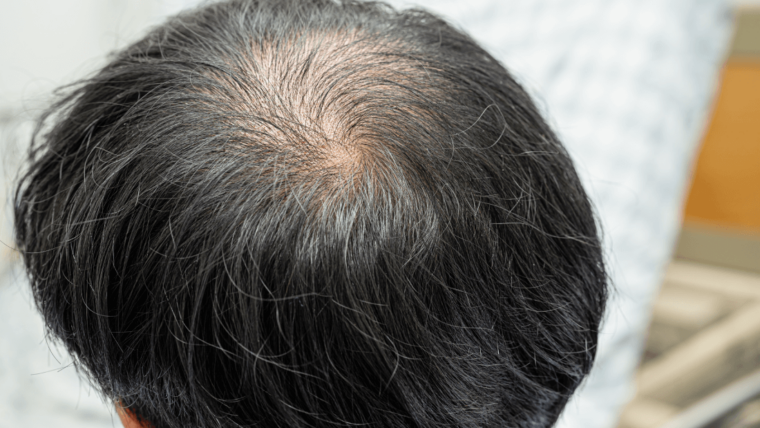

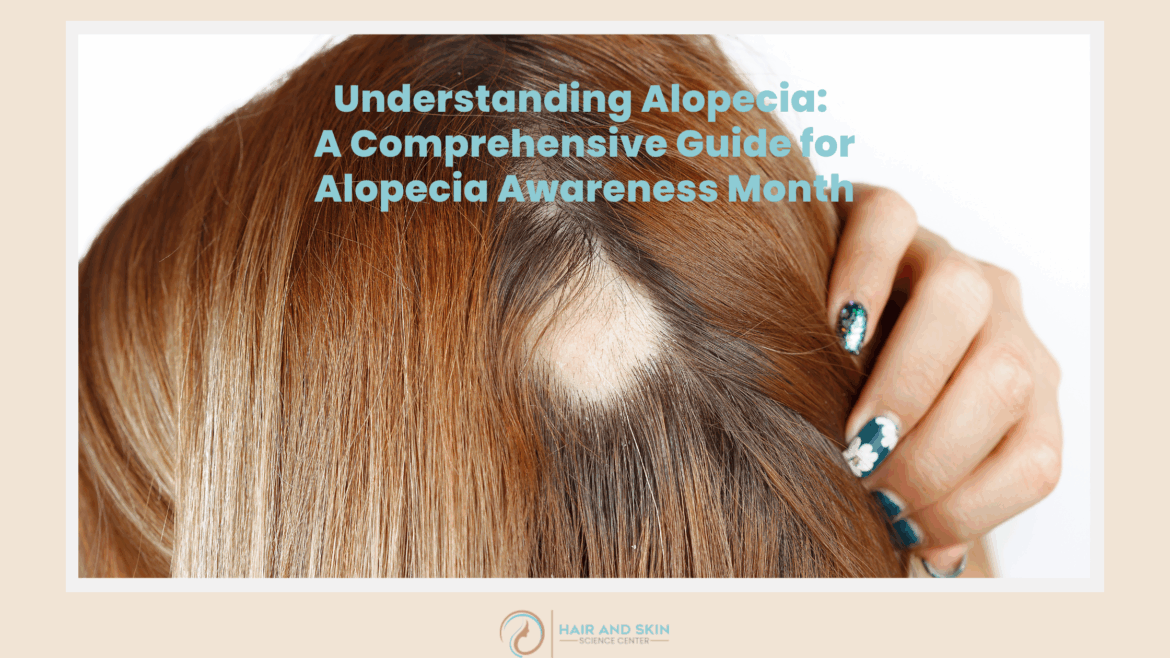
September marked Alopecia Awareness Month, and it is crucial that we continue the conversation and educate the public about alopecia areata and other hair loss conditions that affect millions of people worldwide. As a board-certified dermatologist specializing in hair disorders, I witness firsthand how hair loss can profoundly impact a person’s self-esteem, relationships, and overall quality of life. This period provides an opportunity to shed light on these conditions, dispel myths, and offer hope through education and proper treatment.
What is Alopecia Areata?
Alopecia areata is an autoimmune disease that causes hair loss when the immune system mistakenly attacks hair follicles. Unlike androgenetic alopecia (pattern hair loss), which is primarily genetic and hormonal, alopecia areata can affect anyone regardless of age, gender, or ethnicity. The condition typically presents as round or oval patches of hair loss on the scalp, though it can affect any hair-bearing area of the body.
According to the American Academy of Dermatology (AAD), alopecia areata affects approximately 6.8 million people in the United States alone, with a lifetime risk of about 2% for the general population¹. The condition often begins in childhood or young adulthood, with nearly 60% of cases developing before age 20².
Types of Alopecia Areata
The condition exists in several forms, each with distinct characteristics:
- Alopecia Areata (Patchy): The most common form, characterized by one or more round patches of hair loss on the scalp or body.
- Alopecia Totalis: Complete loss of hair on the scalp.
- Alopecia Universalis: Complete loss of hair on the scalp and body, including eyebrows, eyelashes, and body hair.
- Alopecia Ophiasis: Hair loss in a band shape around the sides and back of the head.
Understanding the Causes
While the exact trigger for alopecia areata remains unknown, research indicates that genetic predisposition plays a significant role. The National Institute of Arthritis and Musculoskeletal and Skin Diseases (NIAMS) reports that about 20% of people with alopecia areata have a family member with the condition³. Environmental factors, such as stress, illness, or trauma, may trigger the onset in genetically susceptible individuals.
The autoimmune nature of the condition means that T-cells, which typically protect the body from foreign invaders, mistakenly target hair follicles. This attack causes the follicles to shrink and dramatically slow hair production, leading to hair loss.
Diagnosis and Evaluation
Proper diagnosis requires a comprehensive evaluation by a board-certified dermatologist. The diagnostic process typically includes:
- Medical History: Reviewing family history, recent stressors, medications, and other health conditions
- Physical Examination: Careful examination of the scalp and affected areas
- Pull Test: Gently pulling hair to assess the degree of shedding
- Trichoscopy: Using specialized equipment such as a handheld dermatoscope to examine hair and scalp at high magnification
- Biopsy: In some cases, a small skin sample may be taken for microscopic examination
- Blood tests may be ordered to check for other autoimmune conditions, as people with alopecia areata have a higher risk of developing thyroid disease, vitiligo, or other autoimmune disorders.
Treatment Options
While there is no cure for alopecia areata, there is an ever expanding list of therapeutic options, which is very exciting and GROUNDBREAKING RESEARCH is taking place in this area with several treatment options that can help stimulate hair regrowth and manage the condition. For example, the list of FDA-approved JAK inhibitors now includes Olumiant (baricitinib), Litfulo (ritlecitinib), and Leqselvi (deuruxolitinib). In certain scenarios, off-label therapies may be considered for incorporation into the treatment regimen.
Topical Treatments:
- Anti-inflammatory medications (available as creams, ointments, solutions, injections, or foams)
- Minoxidil (Rogaine)
- Anthralin
Injectable Treatments, including but not limited to:
- Corticosteroid injections are directly injected into the affected areas
- Off-label treatments, like platelet-rich plasma, are injected into the affected areas
- Off-label treatments like dupilumab (dupixent) injected at other sites
Systemic Treatments:
- Oral corticosteroids (for extensive cases)
- JAK inhibitors (newer targeted therapies)
- Other off-label Immunomodulatory and, when indicated, immunosuppressive therapies
Emerging Therapies: Recent advances include JAK (Janus kinase) inhibitors, which have shown promising results in clinical trials. The FDA recently approved baricitinib (Olumiant) for severe alopecia areata, marking a significant milestone in treatment options⁴.
The Emotional Impact
The psychological impact of alopecia areata cannot be understated. Hair loss, particularly when sudden and extensive, can lead to anxiety, depression, and social withdrawal. Support groups such as the National Alopecia Areata Foundation, counseling, and connecting with others who understand the condition can be invaluable resources for patients and families.
As part of my ongoing commitment to patient education and alopecia awareness, I have had the privilege of performing patient education for the National Alopecia Areata Foundation to share insights on the latest advances in hair loss diagnosis and treatment. These collaborative efforts with patient advocacy organizations are essential for bridging the gap between cutting-edge research and the real-world experiences of those living with alopecia. I believe that combining clinical expertise with community support creates the most effective approach to managing hair loss conditions, and I remain dedicated to supporting both individual patients and the broader alopecia community through education and advocacy.
Living with Alopecia: Practical Tips
- Sun Protection: Use sunscreen or wear hats to protect the exposed scalp
- Gentle Hair Care: Use mild shampoos and avoid tight hairstyles
- Cosmetic Options: Consider wigs, hairpieces, or scalp micropigmentation
- Eyebrow and Eyelash Care: Use prescription medications, consider tattooing, or cosmetic coverage
- The Importance of Early Intervention: Early diagnosis and treatment can significantly impact outcomes. While hair may regrow spontaneously in some cases, professional treatment can accelerate regrowth and prevent progression to more extensive forms of the condition.
Finding Support and Community
Living with hair loss can feel isolating, but you don’t have to face it alone. Organizations like the National Alopecia Areata Foundation (NAAF) provide invaluable resources, support groups, and connections with others who understand your experience. These communities provide emotional support, offer practical tips for daily management, advocate for research funding, and work to reduce the stigma surrounding hair loss conditions. Whether you’re newly diagnosed or have been managing hair loss for years, connecting with others who share similar experiences can be an important part of your healing journey. Many patients find that combining professional medical treatment with peer support creates the most comprehensive approach to managing both the physical and emotional aspects of hair loss.
Conclusion
Alopecia Awareness Month has served as a reminder that hair loss conditions are medical issues deserving of proper attention and treatment. If you’re experiencing unexplained hair loss, don’t wait; consult with a board-certified dermatologist who specializes in hair disorders. With appropriate diagnosis, treatment, and support, many individuals with alopecia areata can achieve significant hair regrowth and an improved quality of life. At Hair and Skin Science Center, we provide comprehensive evaluation and personalized treatment plans for all types of hair loss conditions. Remember, you’re not alone in this journey, and effective help is available.
Sources:
American Academy of Dermatology. “Alopecia areata: Overview.” Available at: https://www.aad.org/public/diseases/hair-loss/types/alopecia
Journal of the American Academy of Dermatology. “Epidemiology of alopecia areata.”
National Institute of Arthritis and Musculoskeletal and Skin Diseases. “Alopecia Areata.” Available at: https://www.niams.nih.gov/health-topics/alopecia-areata
U.S. Food and Drug Administration. FDA approves first systemic treatment for alopecia areata. 2022.