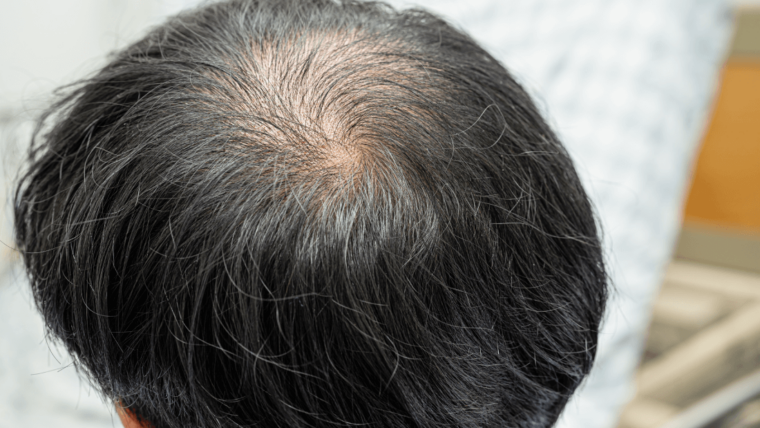

October brings together two critical dermatological awareness initiatives: Eczema Awareness Month and Skin Cancer Awareness Week (October 1-7). While these conditions differ significantly in their nature and severity, both underscore an essential truth in dermatology: early recognition, proper management, and professional care can dramatically improve outcomes and quality of life. As a board-certified dermatologist, I see firsthand how education empowers patients to take control of their skin health, whether managing a chronic inflammatory condition or protecting against a potentially life-threatening disease.
Understanding Eczema: More Than Just Dry Skin
Eczema, medically known as atopic dermatitis, affects over 31 million Americans, making it one of the most common chronic skin conditions in the United States¹. Despite its prevalence, eczema remains widely misunderstood, often dismissed as simple dry skin rather than recognized as the complex inflammatory condition it truly is.
The Science Behind Eczema
Atopic dermatitis results from a combination of genetic predisposition, immune system dysfunction, and environmental triggers. Research has identified mutations in the filaggrin gene, which helps maintain the skin’s protective barrier, in about 20-30% of eczema patients². This genetic component helps explain why eczema often runs in families and why the skin barrier becomes so compromised in affected individuals.
When the skin barrier is disrupted, it allows increased water loss while also letting irritants, allergens, and bacteria penetrate more easily. This creates a cycle of inflammation, itching, and further barrier damage that can be challenging to break without proper intervention.
Recognizing Eczema’s Many Faces
Eczema can present differently depending on age, skin tone, and disease severity:
In Infants: Often appears on the face, scalp, and extensor surfaces of arms and legs, presenting as red, weepy patches.
In Children and Adults: Typically affects the flexural areas, inside the elbows, behind the knees, and on the neck, with dry, thickened, and intensely itchy skin.
In Skin of Color: Eczema may appear less red and more violet, brown, or gray, and can result in significant post-inflammatory hyperpigmentation or hypopigmentation that persists after the active inflammation resolves³.
The Hidden Burden of Eczema
Eczema’s impact extends far beyond visible skin symptoms. Research consistently demonstrates that eczema significantly affects sleep quality, with the persistent itching often worsening at night and disrupting rest for both patients and family members⁴. This sleep disruption can lead to difficulties with concentration, mood regulation, and overall quality of life.
Furthermore, studies show that individuals with eczema are 2-3 times more likely to experience anxiety and depression compared to the general population⁵. The visible nature of flare-ups, combined with the chronic and unpredictable course of the disease, creates a significant psychological burden that deserves recognition and support.
Evidence-Based Management Strategies
Effective eczema management requires a multi-faceted approach:
Barrier Repair and Maintenance:
- Daily moisturizing with fragrance-free, ceramide-containing products
- Applying moisturizer within three minutes of bathing to lock in hydration
- Using lukewarm rather than hot water for bathing
Trigger Identification and Avoidance:
- Common triggers include harsh soaps, fragranced products, wool fabrics, and environmental allergens
- Keeping a symptom diary can help identify personal triggers
- Managing stress, which can significantly worsen flares
Medical Treatments:
- Topical corticosteroids for acute flares
- Topical calcineurin inhibitors for sensitive areas and maintenance therapy
- Newer topical PDE4 inhibitors for mild-to-moderate disease
- Biologic therapies for moderate-to-severe cases that haven’t responded to conventional treatment
The American Academy of Dermatology emphasizes that successful eczema management often requires a personalized, stepwise approach that evolves based on disease severity and response to treatment⁶.
Skin Cancer Awareness Week: October 1-7
While eczema represents a chronic inflammatory challenge, Skin Cancer Awareness Week reminds us of an entirely different but equally important dermatological concern: the most common cancer diagnosed in the United States.
The Scope of Skin Cancer
Skin cancer affects more Americans than all other cancers combined, with more than 5.4 million cases of non-melanoma skin cancer treated annually⁷. Melanoma, though less common, remains the deadliest form of skin cancer, with the American Cancer Society estimating approximately 99,780 new cases diagnosed annually⁸.
The Power of Early Detection
Perhaps no statistic better illustrates the importance of early detection than melanoma survival rates. When detected early and localized, melanoma has a 99% five-year survival rate. However, this rate drops dramatically to 68% when the cancer has spread to nearby lymph nodes and to just 30% when it has metastasized to distant organs⁹.
This dramatic difference underscores why Skin Cancer Awareness Week focuses heavily on education about self-examination and the importance of professional skin checks.
The ABCDE Method for Skin Cancer Detection
Dermatologists recommend the ABCDE method for evaluating suspicious moles or skin lesions:
- Asymmetry: One half doesn’t match the other half
- Border: Edges are irregular, ragged, or blurred
- Color: Color is not uniform and may include shades of brown, black, or patches of pink, red, white, or blue
- Diameter: Larger than 6mm (about the size of a pencil eraser), although melanomas can be smaller
- Evolving: Any change in size, shape, color, or elevation, or new symptoms like bleeding, itching, or crusting
Beyond Sun Exposure: Other Important Risk Factors
While sun exposure and tanning bed use remain the most well-known risk factors for skin cancer, it’s important to understand that skin cancer can develop for reasons unrelated to UV exposure. Non-melanoma skin cancers, in particular, can arise at sites of traumatic injury, within chronic scars, and in areas that have previously received radiation treatment¹¹. This means that a wound that never quite healed properly, a longstanding scar, or skin that was previously treated with radiation therapy all warrant ongoing attention and should be brought to your dermatologist’s attention if they change in any way.
This is also an important opportunity to address a common and dangerous misconception: that skin cancer is primarily a concern for individuals with fair skin. While acral lentiginous melanoma, a form of melanoma that develops on the palms, soles, and under the nails, is rare overall, it is actually the most common form of melanoma diagnosed in people with darker skin tones¹². Because these areas are not typically sun-exposed, this type of melanoma is often diagnosed at a later, more advanced stage, in part because patients and even some healthcare providers don’t think to look there.
This is why comprehensive self-examinations and professional skin checks should include the hands, feet, and toenails, regardless of skin type or tone. Checking between the fingers and toes, the soles of the feet, and underneath the nails for new spots, dark streaks, or changing lesions is an essential part of protecting your skin health. If you notice anything unusual in these areas, including a dark line under a nail, a sore on the sole of the foot that won’t heal, or a new lesion at the site of an old scar or injury, please don’t hesitate to come in for an evaluation.
Comprehensive Sun Protection
Prevention remains the cornerstone of reducing skin cancer risk. The American Academy of Dermatology recommends:
- Using broad-spectrum sunscreen with SPF 30 or higher daily
- Reapplying sunscreen every two hours when outdoors, or after swimming/sweating
- Seeking shade during peak UV hours (10 AM to 4 PM)
- Wearing protective clothing, wide-brimmed hats, and UV-blocking sunglasses
- Avoiding tanning beds entirely¹⁰
The Importance of Professional Skin Examinations
While self-examination is valuable, professional skin examinations by a board-certified dermatologist remain essential, especially for individuals with risk factors such as fair skin, a history of sunburns, a family history of skin cancer, or numerous moles. Dermatologists use specialized tools like dermoscopy to examine suspicious lesions with greater precision than the naked eye allows. As noted above, this evaluation should always include a thorough check of the hands, feet, and nails for every patient, not just those with traditional sun-exposure risk factors.
The Common Thread: Empowerment Through Education
Though eczema and skin cancer represent vastly different dermatological challenges, both conditions benefit tremendously from patient education and proactive care. Understanding your skin, recognizing warning signs, and maintaining regular dermatological care are fundamental principles that apply across the spectrum of skin health.
Whether you’re managing the daily challenges of eczema or protecting yourself from skin cancer, partnering with a knowledgeable dermatology team ensures you receive personalized, evidence-based care tailored to your needs.
Conclusion
October’s dual focus on Eczema Awareness Month and Skin Cancer Awareness Week reminds us that skin health encompasses a broad spectrum of conditions that require different approaches, yet are unified by the importance of early recognition and professional care. Whether you’re managing the chronic inflammation of eczema or working to prevent and detect skin cancer early, knowledge is power when it comes to protecting your skin’s health.
If you’re struggling with eczema symptoms or haven’t had a professional skin examination recently, this October is the perfect time to schedule an appointment. Early intervention, whether for chronic skin conditions or cancer screening, consistently leads to better outcomes and improved quality of life. And remember, protecting your skin means checking every part of it, including your hands, feet, and nails, regardless of your skin type or tone.
Sources:
- American Academy of Dermatology. “Eczema types: Atopic dermatitis overview.” Available at: https://www.aad.org/public/diseases/eczema/types/atopic-dermatitis
- Palmer, C. N., et al. “Common loss-of-function variants of the epidermal barrier protein filaggrin are a major predisposing factor for atopic dermatitis.” Nature Genetics, 2006.
- Kaufman, B. P., et al. “Atopic dermatitis in diverse racial and ethnic groups—Variations in epidemiology, genetics, clinical presentation and treatment.” Experimental Dermatology, 2018.
- Chang, Y. S., & Chiang, B. L. “Mechanism of sleep disturbance in children with atopic dermatitis and the role of the circadian rhythm and melatonin.” International Journal of Molecular Sciences, 2016.
- National Eczema Association. “Eczema and Mental Health.” Available at: https://nationaleczema.org/eczema/related-conditions/mental-health/
- American Academy of Dermatology. “Eczema types: Atopic dermatitis treatment.” Available at: https://www.aad.org/public/diseases/eczema/types/atopic-dermatitis/treatment
- Skin Cancer Foundation. “Skin cancer facts & statistics.” Available at: https://www.skincancer.org/skin-cancer-information/skin-cancer-facts/
- American Cancer Society. “Key Statistics for Melanoma Skin Cancer.” 2024.
- American Cancer Society. “Survival Rates for Melanoma Skin Cancer.” 2024.
- American Academy of Dermatology. “Sunscreen FAQs.” Available at: https://www.aad.org/public/everyday-care/sun-protection/sunscreen-patients/sunscreen-faqs
- Kirkham, N., & Elston, D. M. “Non-melanoma skin cancer arising in scars, burns, and sites of chronic inflammation.” Dermatologic Clinics, 2019.
- Bradford, P. T., et al. “Acral lentiginous melanoma: incidence and survival patterns in the United States, 1986-2005.” Archives of Dermatology, 2009.