

The holiday season brings joy, celebration, and cherished time with loved ones—but it also brings unique challenges for your skin and hair health. As a board-certified dermatologist, I see a noticeable uptick in skin and hair concerns during the holiday months. From stress-induced breakouts to winter weather damage, the combination of environmental factors, lifestyle changes, and emotional stress can take a significant toll on your appearance and well-being. Understanding these challenges and implementing targeted strategies can help you maintain healthy, glowing skin and hair throughout the festive season.
The Science Behind Holiday Stress and Your Skin
The relationship between stress and skin health is well-documented in dermatological research. When we experience stress, our bodies release cortisol and other stress hormones that directly impact skin function. According to studies published in the Journal of the American Academy of Dermatology, chronic stress can worsen existing skin conditions like acne, eczema, psoriasis, and rosacea while also accelerating the aging process¹.
During the holidays, stress levels often spike due to financial pressures, social obligations, travel demands, and disrupted routines.
This stress manifests in several ways on your skin:
Increased Oil Production: Elevated cortisol levels stimulate sebaceous glands, leading to increased oil production and potential breakouts, particularly around the jawline and chin area.
Compromised Skin Barrier: Stress weakens the skin’s protective barrier, making it more susceptible to irritation, dryness, and sensitivity.
Delayed Healing: High stress levels can slow down the skin’s natural repair processes, meaning blemishes take longer to heal and may leave more noticeable marks.
Inflammatory Response: Stress triggers inflammatory pathways in the body, which can exacerbate conditions like eczema and psoriasis, causing flare-ups during what should be joyful times.
Hair Health Under Holiday Pressure
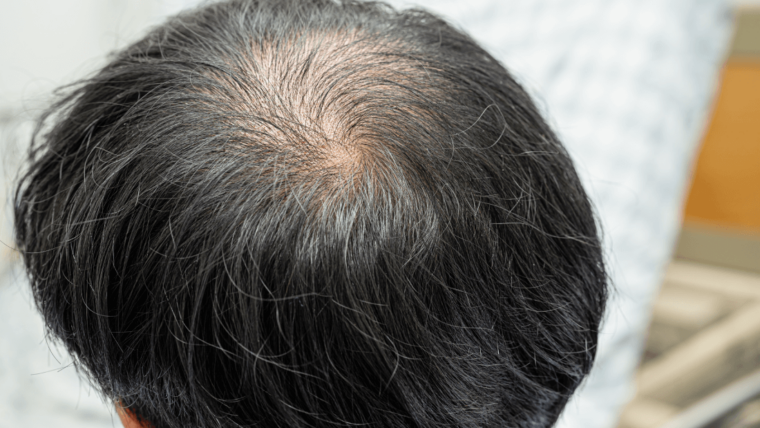
Your hair is equally susceptible to holiday stress. The American Academy of Dermatology reports that significant stress can push hair follicles into a resting phase, leading to increased shedding approximately 2-3 months later—a condition known as telogen effluvium². This means that holiday stress in December might manifest as noticeable hair loss in February or March.
Additionally, holiday styling practices can contribute to hair damage:
- Heat Styling: Frequent use of blow dryers, curling irons, and straighteners for holiday events can lead to dryness, breakage, and split ends.
- Chemical Processing: Last-minute color changes or chemical treatments before holiday gatherings can stress hair follicles and damage the hair shaft.
- Tight Hairstyles: Elaborate updos and tight braids for formal events can cause traction alopecia, particularly when worn repeatedly.
Environmental Factors: Winter Weather’s Impact
The holiday season coincides with harsh winter weather in many regions, creating additional challenges for skin and hair health. Cold outdoor temperatures combined with heated indoor environments create a perfect storm for skin and hair damage.
Low Humidity Effects: Winter air contains less moisture, leading to increased transepidermal water loss. Research shows that humidity levels below 30% can significantly compromise skin barrier function³. This results in:
- Dry, flaky skin
- Increased sensitivity and irritation
- Worsening of conditions like eczema and dermatitis
- Brittle, static-prone hair
Temperature Fluctuations: Moving between cold outdoor air and warm indoor heating causes blood vessels to constrict and dilate repeatedly, potentially triggering rosacea flares and general skin sensitivity.
Holiday Lifestyle Factors
The holiday season often brings changes in diet, sleep patterns, and skincare routines that can impact skin and hair health:
Dietary Changes: Holiday foods are often high in sugar, refined carbohydrates, and dairy—all of which have been linked to increased acne breakouts in susceptible individuals⁴. Additionally, increased alcohol consumption can lead to dehydration and inflammation, affecting both skin appearance and hair health.
Sleep Disruption: Late nights, travel across time zones, and disrupted sleep schedules can affect the skin’s natural repair processes. During deep sleep, the body increases blood flow to the skin and produces collagen, making adequate rest crucial for healthy skin⁵.
Neglected Routines: Busy holiday schedules often lead to shortened or skipped skincare routines, inconsistent product use, and delayed treatment of emerging skin concerns.
Evidence-Based Holiday Skin and Hair Care Strategies
Maintain Consistent Skincare Routines
Even during busy holiday periods, consistency is key. The American Academy of Dermatology emphasizes the importance of daily cleansing, moisturizing, and sun protection—yes, even in winter⁶. UV rays reflect off snow and can cause significant damage, particularly at higher altitudes during ski trips.
Stress Management Techniques
Incorporating stress-reduction practices can have measurable benefits for skin health. Research published in Archives of Dermatology found that meditation and other stress-reduction techniques could improve skin conditions like psoriasis⁷. Consider:
Regular exercise (which also improves circulation to the skin)
- Meditation or mindfulness practices
- Adequate sleep (7-9 hours nightly)
- Time management to reduce holiday overwhelm
Hydration Inside and Out
Combat winter dryness with both internal and external hydration:
- Increase water intake to support overall skin hydration
- Use a humidifier to maintain indoor humidity levels between 40-60%
- Apply moisturizer within three minutes of bathing to lock in hydration
- Consider overnight treatments with ingredients like hyaluronic acid and ceramides
Gentle Hair Care Practices
Protect your hair during the holiday season:
- Limit heat styling and always use heat protectant products
- Deep condition weekly to combat dryness
- Avoid tight hairstyles that can cause traction alopecia
- Consider protective styles for special events that don’t stress the hair shaft
Professional Treatments for Holiday Glow
Strategic professional treatments can address specific concerns while providing that coveted holiday glow:
Facials: Professional facials can address stress-related breakouts and provide deep hydration
Chemical Peels: Light peels can improve skin texture and address sun damage from summer activities
Microneedling: This treatment can improve skin texture and stimulate collagen production
PRP Therapy: For those experiencing stress-related hair thinning, platelet-rich plasma therapy can stimulate hair growth
When to Seek Professional Help
While many holiday skin and hair concerns can be managed with good self-care practices, certain situations warrant professional evaluation:
- Persistent acne that doesn’t respond to over-the-counter treatments
- Sudden onset of hair loss or significant increase in shedding or itching
- Severe eczema or psoriasis flares that impact quality of life
- New or changing moles (important to check before holiday travel)
- Skin infections or wounds that aren’t healing properly
Creating a Sustainable Holiday Routine
The key to maintaining healthy skin and hair during the holidays is creating a routine that’s both effective and realistic for your busy schedule:
Morning Routine (5 minutes):
- Gentle cleanser
- Moisturizer with SPF
- Any prescribed treatments
Evening Routine (10 minutes):
- Thorough cleansing to remove makeup and pollutants
- Treatment products (retinoids, prescribed medications)
- Rich moisturizer or overnight treatment
Weekly Additions:
- Deep conditioning hair treatment
- Face mask for targeted concerns
The Role of Professional Dermatological Care
At Hair and Skin Science Center, we understand that the holidays can be particularly challenging for maintaining optimal skin and hair health. Our comprehensive approach addresses both the immediate concerns and long-term health of your skin and hair.
Personalized Treatment Plans: We recognize that holiday stress affects everyone differently. Dr. Maloney works with patients to develop customized treatment plans that address individual concerns while fitting into busy holiday schedules.
Advanced Diagnostic Tools: Using dermoscopy for hair analysis and detailed skin examinations, we can identify issues early and prevent them from becoming more serious problems.
Flexible Scheduling: We understand that holiday schedules are demanding, which is why we offer flexible appointment times and telemedicine consultations when appropriate.
Comprehensive Care: From medical dermatology treatments for stress-related flares to cosmetic procedures that provide that holiday glow, we offer complete care under one roof.
Conclusion: Prioritizing Self-Care During the Holidays
The holidays should be a time of joy and celebration, not stress about your appearance. By understanding how holiday stressors affect your skin and hair, implementing evidence-based care strategies, and seeking professional help when needed, you can maintain healthy, glowing skin and hair throughout the festive season.
Remember, taking care of your skin and hair isn’t vanity—it’s an important part of overall health and well-being. When you look good, you feel more confident, which can actually help reduce stress and improve your overall holiday experience.
If you’re struggling with holiday-related skin or hair concerns, don’t wait until after the New Year to seek help. Early intervention is always more effective, and you deserve to feel confident and comfortable in your skin during this special time of year.
Sources:
- Chen, Y., & Lyga, J. “Brain-skin connection: stress, inflammation and skin aging.” Inflammation & Allergy-Drug Targets, 2014.
- American Academy of Dermatology. “Hair loss: Who gets and causes.” Available at: https://www.aad.org/public/diseases/hair-loss/causes/18-causes
- Engebretsen, K. A., et al. “The effect of environmental humidity and temperature on skin barrier function and dermatitis.” Journal of the European Academy of Dermatology and Venereology, 2016.
- Melnik, B. C. “Linking diet to acne metabolomics, inflammation, and comedogenesis: an update.” Clinical, Cosmetic and Investigational Dermatology, 2015.
- Oyetakin-White, P., et al. “Does poor sleep quality affect skin ageing?” Clinical and Experimental Dermatology, 2015.
- American Academy of Dermatology. “Winter skin care.” Available at: https://www.aad.org/public/everyday-care/skin-care-basics/dry/winter-skin-care
- Kabat-Zinn, J., et al. “Influence of a mindfulness meditation-based stress reduction intervention on rates of skin clearing in patients with moderate to severe psoriasis.” Psychosomatic Medicine, 1998.
- American Academy of Dermatology: https://www.aad.org
- Hair and Skin Science Center: https://houstonhairandskin.com
- National Institute of Mental Health (Stress Information): https://www.nimh.nih.gov/health/publications/stress
- Journal of the American Academy of Dermatology: https://www.jaad.org
For personalized holiday skin and hair care recommendations, schedule a consultation at Hair and Skin Science Center. Dr. Maloney and our team are here to help you look and feel your best throughout the holiday season and beyond.