
Summer in Houston brings long, sun-drenched days, outdoor celebrations, and warm evenings that invite us to spend more time outside. While the season offers countless opportunities for enjoyment, it also presents significant challenges for skin and hair health. As a board-certified dermatologist practicing in one of the sunniest cities in the United States, I see firsthand the cumulative damage that summer UV exposure, heat, and humidity can inflict on unprotected skin and hair. This comprehensive guide will equip you with evidence-based strategies to protect, hydrate, and maintain healthy skin and hair throughout the summer months.
Understanding UV Radiation
: The Invisible Threat
Ultraviolet radiation from the sun represents the single greatest environmental threat to skin health. The sun emits two primary types of UV radiation that reach the Earth’s surface: UVA and UVB rays, each causing distinct types of damage.
UVA Radiation: Accounts for approximately 95% of UV radiation reaching the Earth’s surface. UVA rays penetrate deeply into the dermis, causing DNA damage, premature aging, and contributing to skin cancer development. Critically, UVA rays maintain consistent intensity throughout the day and year, penetrate clouds and glass, and can cause damage even on overcast days or while driving¹.
UVB Radiation: The primary cause of sunburn, UVB rays affect the skin’s outer layers and play a significant role in the development of skin cancer. UVB intensity varies by season, time of day, and geographic location, with peak intensity occurring between 10 AM and 4 PM².
The Cumulative Effect: Research published in the Journal of the American Academy of Dermatology demonstrates that UV damage is cumulative over a lifetime. Each unprotected sun exposure adds to the total burden of DNA damage in skin cells, increasing the risk of skin cancer and accelerating the aging process³. In Houston’s intense sun environment, this cumulative damage can occur more rapidly than in many other regions.
Sunscreen: Your Most Important Summer Tool
The American Academy of Dermatology (AAD) identifies daily sunscreen use as the single most effective strategy for preventing skin cancer and premature aging. Research shows that daily use of broad-spectrum sunscreen with SPF 30 or higher can reduce the risk of melanoma by 50% and squamous cell carcinoma by 40%⁴.
Choosing the Right Sunscreen:
Broad-Spectrum Protection: Look for sunscreens labeled “broad-spectrum,” which protect against both UVA and UVB radiation. This designation is regulated by the FDA and ensures comprehensive protection.
SPF 30 or Higher: SPF 30 blocks approximately 97% of UVB rays, while SPF 50 blocks about 98%. Higher SPF values provide marginally greater protection but require the same diligent application and reapplication practices.
Mineral vs. Chemical Sunscreens:
- Mineral sunscreens (containing zinc oxide or titanium dioxide) work by physically reflecting UV rays. They are generally better tolerated by sensitive skin and are effective immediately upon application.
- Chemical sunscreens work by absorbing UV radiation and converting it to heat. They tend to be lighter in texture and may be preferred for daily wear under makeup.
Application Best Practices:
- Apply 1 ounce (approximately 2 tablespoons) to cover the entire body
- Apply 15 minutes before sun exposure
- Reapply every 2 hours and immediately after swimming or sweating
- Don’t forget commonly missed areas: ears, lips, feet, back of neck, and scalp
- Use SPF lip balm to protect lips from UV damage
Hydration: The Foundation of Summer Skin Health
Your skin is composed of approximately 64% water, making adequate hydration essential for maintaining skin function, appearance, and barrier integrity⁵. Summer heat and increased outdoor activity accelerate water loss through sweating, making hydration even more critical during these months.
Internal Hydration:
The relationship between water intake and skin hydration is well-established in dermatological research. A study published in Clinical, Cosmetic and Investigational Dermatology found that increased water intake positively impacts skin hydration and biomechanics, particularly in individuals who were previously under-hydrated⁶.
Hydration Strategies:
- Drink at least 8-10 glasses of water daily, increasing intake during outdoor activities
- Consume water-rich foods including watermelon (92% water), cucumber (96% water), and citrus fruits
- Limit alcohol and caffeine, which have diuretic effects that can worsen dehydration
- Monitor urine color as a hydration indicator (pale yellow indicates adequate hydration)
Topical Hydration:
External hydration is equally important for maintaining healthy summer skin. Key ingredients to look for in summer moisturizers include:
- Hyaluronic Acid: A powerful humectant that can hold up to 1,000 times its weight in water, drawing moisture from the environment into the skin⁷
- Glycerin: Another effective humectant that helps maintain skin moisture levels
- Ceramides: Essential lipids that help maintain the skin barrier and prevent water loss
- Niacinamide: Helps strengthen the skin barrier and reduce inflammation from sun exposure
Professional Facial Treatments: Summer Skin’s Best Friend
While consistent at-home care forms the foundation of summer skin health, professional facial treatments offer benefits that cannot be replicated at home. Summer facials are specifically designed to address the unique challenges of the season.
Benefits of Summer Facials:
- Deep cleansing removes accumulated sweat, sunscreen, and environmental pollutants
- Medical-grade serums penetrate deeper than at-home products
- Professional exfoliation removes dead skin cells that contribute to summer dullness
- Hydrating treatments restore moisture lost to heat and sun exposure
- Calms inflammation from sun exposure and heat
Timing Considerations: Professional facial treatments are most beneficial when scheduled regularly throughout summer, with particular attention to post-sun-exposure recovery. Monthly professional facials can significantly improve skin health and appearance during the summer months.
Treating Sunburn: What to Do When Protection Fails
Despite our best efforts, sunburns can occur. Proper treatment can minimize damage and support healing:
Immediate Response:
- Move out of the sun immediately
- Take a cool (not cold) shower or bath to reduce heat
- Apply aloe vera gel or hydrocortisone cream to soothe inflammation
- Take over-the-counter anti-inflammatory medications if appropriate
- Stay well-hydrated to support healing
Ongoing Care:
- Moisturize regularly with gentle, fragrance-free products
- Avoid further sun exposure until completely healed
- Do not pop blisters if they develop
- Seek medical attention for severe sunburns with extensive blistering, fever, or signs of infection
Long-Term Implications: Research shows that even a single blistering sunburn during childhood or adolescence can double the risk of developing melanoma later in life⁸. This underscores the importance of proper sunburn treatment and prevention.
World Skin Health Day: July 8th
July 8th marks World Skin Health Day, a global initiative highlighting the importance of maintaining overall skin health. This day serves as a reminder that skin health is not merely cosmetic—it is an essential component of overall health and well-being.
The World Health Organization recognizes skin diseases as a significant global health burden, affecting approximately 900 million people worldwide at any given time⁹. Many of these conditions are preventable or manageable with proper education, prevention strategies, and access to professional dermatological care.
Key Messages for World Skin Health Day:
- Skin health affects people of all ages, ethnicities, and backgrounds
- Many serious skin conditions are preventable with proper sun protection
- Regular professional skin examinations can detect cancer at its most treatable stage
- Access to dermatological care is a health equity issue that deserves attention
Summer Hair Care: Protecting Your Hair from Seasonal Damage
Summer presents unique challenges for hair health. UV radiation, chlorine, salt water, heat styling, and humidity can all contribute to hair damage, dryness, and breakage.
UV Protection for Hair:
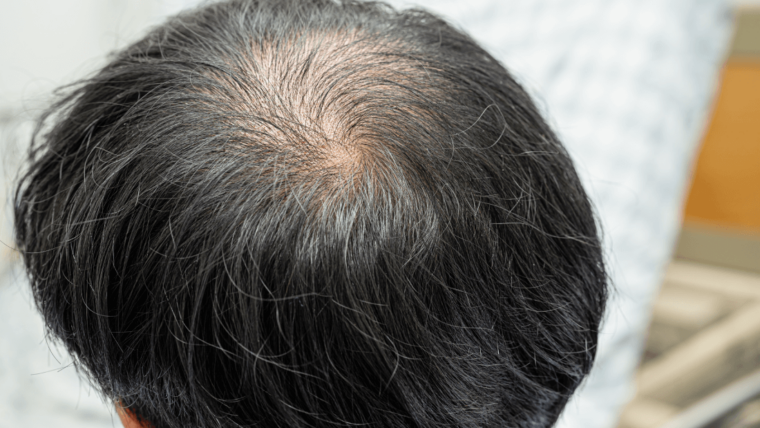
Just as skin requires UV protection, hair and scalp are also vulnerable to UV damage. UV radiation can break down hair’s protein structure, leading to dryness, brittleness, and color fading. The AAD recommends wearing hats or using UV-protective hair products during prolonged sun exposure¹⁰.
Swimming Protection:
Chlorine and salt water strip hair of its natural oils, leading to dryness and damage. Before swimming:
- Wet hair thoroughly with clean water (saturated hair absorbs less chlorine)
- Apply a leave-in conditioner or protective oil to create a barrier
- Consider wearing a swim cap for maximum protection
- Rinse hair immediately after swimming
Hair Type Specific Care:
Straight Hair: Prone to oil buildup in summer; use lightweight products and clarify weekly to remove buildup without stripping moisture.
Curly Hair: Needs extra moisture in summer heat; deep condition regularly and use anti-humidity products to manage frizz while maintaining curl definition.
Kinky/Coily Hair: Most vulnerable to summer damage; protective styles reduce manipulation and exposure, while regular moisturizing prevents breakage.
Nutrition for Hair Health:
Summer produce in Texas offers excellent nutritional support for hair health. Seasonal foods, including tomatoes (vitamin C for collagen), peaches (antioxidants for scalp health), watermelon (hydration and lycopene), and zucchini (biotin for stronger strands), provide essential nutrients that support hair growth and strength from within¹¹.
Dermal Fillers: Summer Confidence Enhancement
While sun protection and hydration form the foundation of summer skin care, cosmetic treatments like dermal fillers can enhance your natural beauty and confidence during the summer season. Dermal fillers restore lost volume, smooth fine lines, and enhance facial features with natural-looking results.
Benefits of Summer Filler Treatments:
- Restore volume lost to aging and sun damage
- Enhance natural features for summer social events
- Minimal downtime fits busy summer schedules
- Results complement a healthy, sun-safe lifestyle
Important Considerations: Following filler treatments, strict sun protection is essential to protect treated areas and maintain optimal results.
Creating a Comprehensive Summer Skin Care Routine
Morning Routine:
- Gentle, hydrating cleanser
- Antioxidant serum (vitamin C) for environmental protection
- Lightweight, oil-free moisturizer
- Broad-spectrum SPF 30+ sunscreen
- SPF lip balm
Evening Routine:
- Double cleanse to remove sunscreen and pollutants
- Hydrating toner or essence
- Treatment serums (retinoids, niacinamide)
- Rich, barrier-repairing moisturizer
Weekly Additions:
- Gentle exfoliation (1-2 times per week)
- Hydrating mask for intensive moisture
- Professional treatments as recommended by your dermatologist
Conclusion: Making Summer Skin Health a Priority
Summer skin and hair health requires a proactive, comprehensive approach that combines consistent daily habits, professional treatments, and ongoing education. The combination of Houston’s intense UV environment, heat, and humidity creates unique challenges that demand attention and care.
As we observe World Skin Health Day this July 8th, let’s commit to making skin health a year-round priority. Whether you’re updating your sunscreen routine, scheduling a professional facial, or exploring cosmetic treatments to enhance your summer confidence, investing in professional dermatological care pays dividends for long-term skin health and quality of life.
Remember: the best time to start protecting your skin was years ago. The second-best time is today.
Sources:
- U.S. Food and Drug Administration. “Sunscreen: How to Help Protect Your Skin from the Sun.” Available at: https://www.fda.gov/drugs/understanding-over-counter-medicines/sunscreen-how-help-protect-your-skin-sun
- American Academy of Dermatology. “Sunscreen FAQs.” Available at: https://www.aad.org/public/everyday-care/sun-protection/sunscreen-patients/sunscreen-faqs
- Narayanan, D. L., et al. “Ultraviolet radiation and skin cancer.” International Journal of Dermatology, 2010.
- American Academy of Dermatology. “Sunscreen prevents skin cancer.” Available at: https://www.aad.org/media/news-releases/sunscreen-prevents-skin-cancer
- Palma, L., et al. “Dietary water affects human skin hydration and biomechanics.” Clinical, Cosmetic and Investigational Dermatology, 2015.
- Ibid.
- Papakonstantinou, E., et al. “Hyaluronic acid: A key molecule in skin aging.” Dermato-Endocrinology, 2012
- Skin Cancer Foundation. “Sunburn & Your Skin.” Available at: https://www.skincancer.org/risk-factors/sunburn/
- World Health Organization. “Skin diseases.” Available at: https://www.who.int/health-topics/skin-diseases
- American Academy of Dermatology. “Hair care tips for healthy hair.” Available at: https://www.aad.org/public/everyday-care/hair-scalp-care/hair/healthy-hair-tips
- USDA Seasonal Food Guide. “Texas Seasonal Produce.” Available at: https://seasonalfoodguide.org